Spotting the early signs
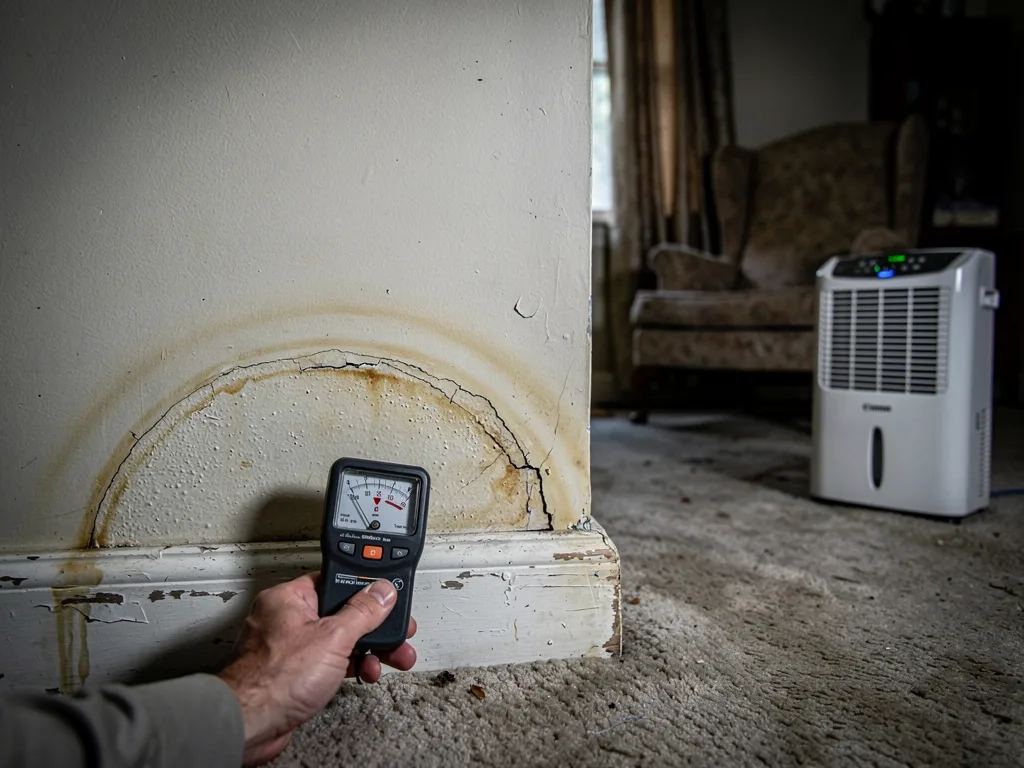
Water damage can start quietly. A ceiling stain, a musty smell, or a new discoloration on walls may be the first hint. Across West Virginia, homeowners should keep an eye out for soft spots in drywall, peeling paint, or wallpaper that loosens without obvious cause. These indicators often point to hidden moisture behind surfaces, not just a surface problem.
Restoration specialists will assess patterns over time. If you notice repeating damp patches after rainstorms or heavy indoor condensation during winter, that’s a sign to take seriously. In West Virginia, humidity swings and seasonal rains can push moisture into walls, basements, or crawl spaces, even when a leak isn’t obvious.
What to do when you see a sign
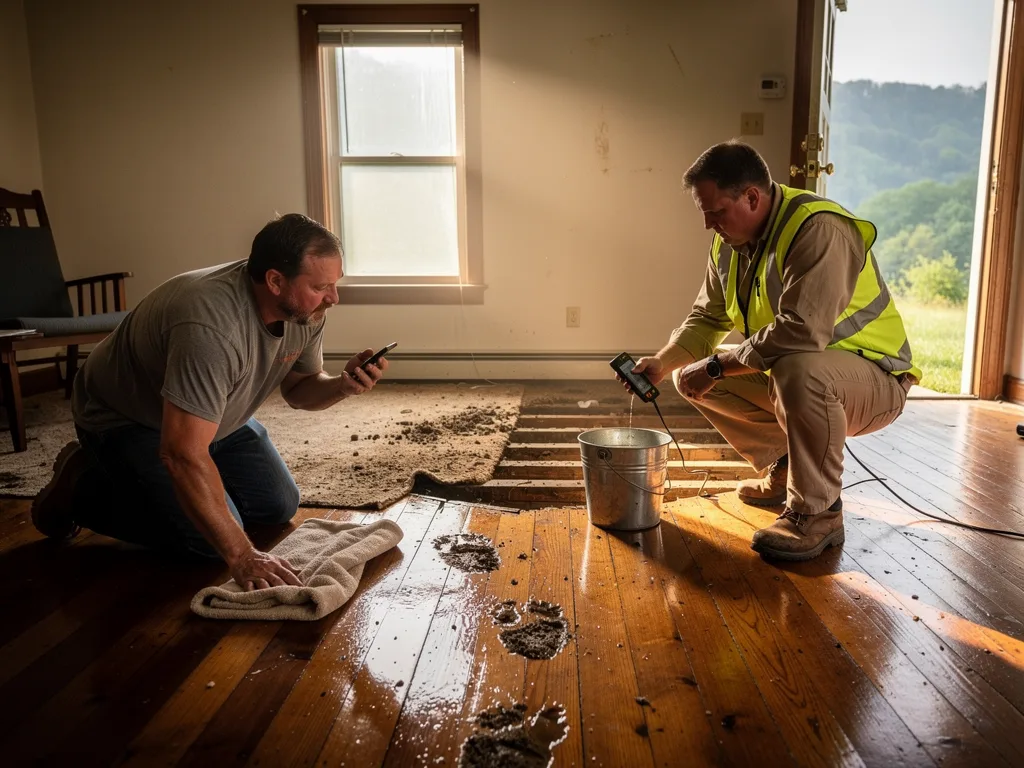
Document the area with photos and note dates of any changes. Avoid moving bulky items away from the wall if it’s wet; this can spread moisture and create more damage. Contact West Virginia Water Damage Pros for a professional assessment. Our crews in every West Virginia metro work with homeowners to determine how far moisture has traveled and what materials are affected.
Early action helps protect your home’s structure and your belongings. A restoration specialist can map out the scope of moisture, set expectations, and outline a practical plan for drying and restoration that fits your schedule and budget.
Preventive steps for homeowners
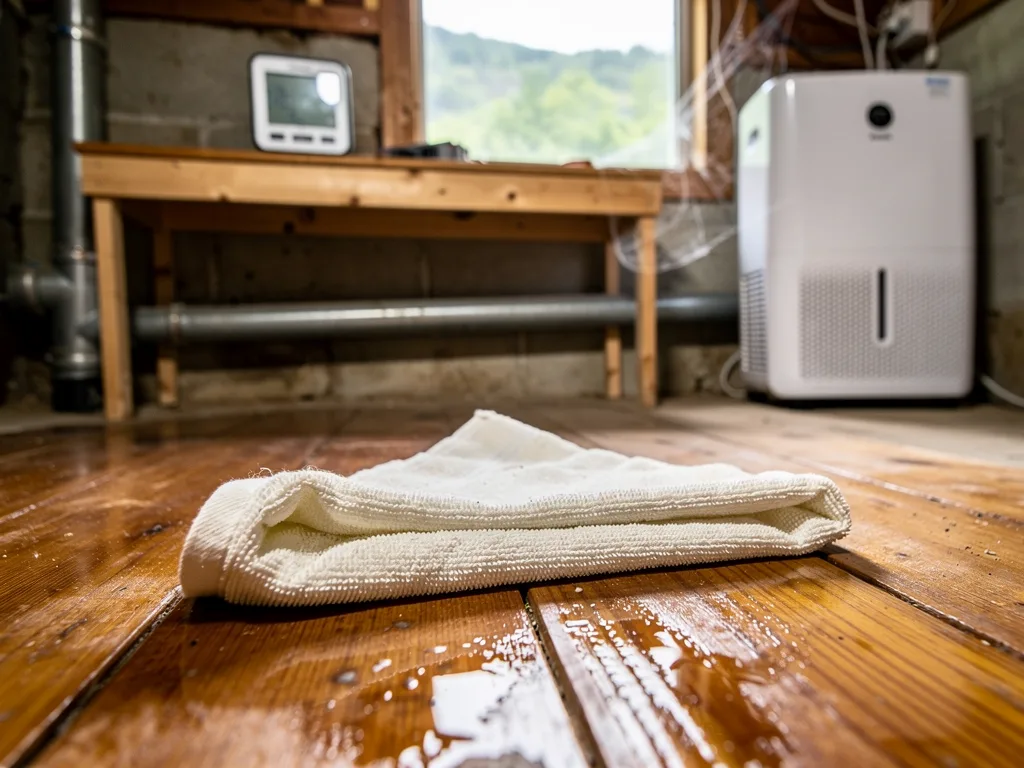
Keep interior humidity under control with dehumidifiers in damp rooms, and use exhaust fans in bathrooms and kitchens. Regularly inspect crawl spaces for signs of moisture intrusion after heavy rains. If you notice a musty odor that won’t fade, call a restoration specialist to evaluate hidden moisture and prevent mold growth from taking hold.
- Address any visible leaks promptly to minimize hidden moisture.
- Check exterior grading and drainage to reduce water pooling near the foundation.
- Schedule seasonal inspections with a restoration specialist to catch issues early.